
Case Study
Cambridge Filmworks works with the National Crime Agency and IWF on New AI Child Protection Campaign
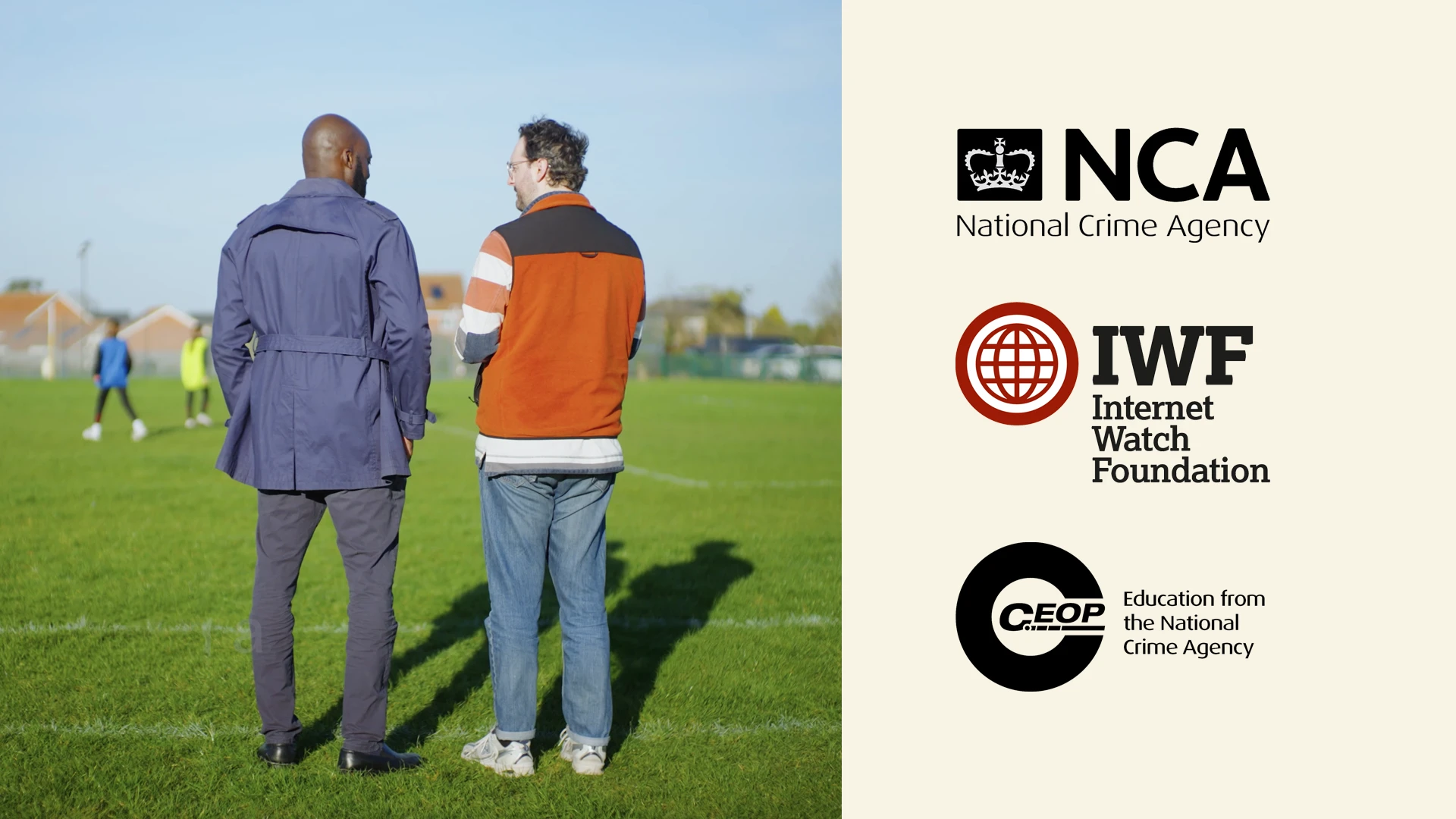
Cambridge Filmworks works with the National Crime Agency and IWF on New AI Child Protection Campaign
New national film campaign helps parents understand the growing risks of AI-generated child sexual abuse imagery and offers practical guidance to keep children safer online.
Artificial intelligence is rapidly reshaping how people create, communicate and access digital content. While these technologies bring significant opportunities, they are also being exploited in increasingly harmful ways. One of the most concerning developments is the use of AI to generate, alter and distribute child sexual abuse material (CSAM), including the manipulation of ordinary photographs of children into abusive content.
To help address this emerging threat, Cambridge Filmworks has joined forces with the National Crime Agency (NCA) and the Internet Watch Foundation (IWF) to produce a powerful new public awareness campaign. Through a series of professionally produced films, the initiative aims to educate parents and carers about the risks associated with AI-generated child sexual abuse imagery while providing practical advice to help protect children online.
This collaboration brings together expertise in law enforcement, online safety and visual communications, using compelling storytelling to explain a complex issue in a way that is informative, accessible and engaging.
National Crime Agency IWF Child Sexual Abuse Material
CSAM Overview
School Gates Scene
Mother and Son Scene
Dads Football Scene
Grandparents Scene
Reaching Audiences Across Multiple Platforms
Created in partnership with the National Crime Agency and the Internet Watch Foundation, the campaign has been designed for broad distribution across a variety of digital and public communication channels.
The films have been adapted for use across:
- Websites and online resources
- Social media platforms
- Digital advertising campaigns
- Public awareness initiatives
- Large-format digital screens and displays
- Educational settings and community events
By producing content in multiple formats, the campaign ensures that essential safeguarding messages reach parents, carers, teachers and communities wherever they engage with media.
Highlighting a Growing Digital Safeguarding Challenge
Artificial intelligence now underpins many of the digital services people use every day, from navigation and entertainment to social media and online search. However, the same technology is increasingly being misused by offenders to create or manipulate sexual images involving children.
Examples include:
- Altering everyday family photographs using AI deepfake technology.
- Producing entirely AI-generated images that appear to depict real children.
- Using AI-powered “nudifying” applications to digitally remove clothing from existing photographs.
- Creating computer-generated or animated child sexual abuse imagery that remains illegal under UK legislation and contributes to real-world harm.
Many families are unaware that seemingly harmless photographs shared online can be manipulated using these rapidly advancing technologies. Raising awareness of these risks is a central objective of the campaign.
Supporting Parents with Practical Advice
Rather than focusing on fear, the campaign encourages informed, proactive action. The films provide reassuring guidance that helps parents and carers take sensible steps to better safeguard children's images online.
Guidance produced by the Internet Watch Foundation and National Crime Agency recommends that families:
- Review privacy settings across social media accounts.
- Restrict who can access and share family photographs.
- Regularly review previously shared images.
- Encourage friends and relatives to share children’s photographs responsibly.
- Reassess image consent policies at schools, clubs and other organisations.
- Involve children in age-appropriate conversations about privacy, consent and online safety.
At the heart of the campaign is a simple but important safeguarding message: one of the greatest protections a child can have is a trusted adult who understands the online environment and can respond calmly, confidently and appropriately when concerns arise.
Encouraging Meaningful Family Conversations
The campaign also promotes open discussions between parents and children about artificial intelligence, digital consent and responsible online behaviour.
Age-appropriate guidance encourages families to talk about:
- What giving permission to share images means.
- How children may feel when photographs are shared without their consent.
- What to do if someone requests an image that causes concern.
- Why creating or sharing altered images should never be dismissed as harmless.
- Where to find support if intimate images are shared or manipulated online.
By making these conversations a normal part of family life, the campaign aims to strengthen trust, improve digital awareness and encourage children to seek help whenever something online feels uncomfortable or unsafe.
Using Film to Raise Awareness
Communicating complex digital safeguarding issues requires more than information alone. Through carefully crafted storytelling, Cambridge Filmworks has worked closely with both organisations to transform a challenging subject into clear, engaging and emotionally impactful films that resonate with a broad audience.
Every version of the campaign has been optimised for today’s digital-first environment, ensuring consistent messaging whether viewed on a smartphone, social media platform, website, educational presentation or public display.
This flexible production approach enables campaign partners to maximise visibility while maintaining a unified message across every communication channel.
A Collaborative Commitment to Online Child Safety
The partnership between Cambridge Filmworks, the National Crime Agency and the Internet Watch Foundation reflects a shared commitment to using high-quality creative communications to strengthen child safeguarding.
As artificial intelligence continues to evolve, so too must public understanding of the risks it presents. By combining trusted expertise with compelling visual storytelling and practical educational resources, the campaign equips parents and carers with the knowledge and confidence to better protect children from one of the fastest-growing forms of online abuse.
The initiative also directs families to detailed guidance produced by the Internet Watch Foundation and National Crime Agency, covering topics such as privacy settings, image consent, recognising AI-generated abuse and where to seek support if images are manipulated or shared online.
Keeping children safe online requires collective action. By bringing together specialist expertise and effective storytelling, this partnership demonstrates how creative communications can play an important role in raising awareness, supporting families and helping to create a safer digital future for children.
To learn more about the vital work of the National Crime Agency and the Internet Watch Foundation in protecting children from AI-generated child sexual abuse imagery, please visit:
www.nationalcrimeagency.gov.uk
www.iwf.org.uk/resources/ai-child-abuse-imagery-parent-guide
Cambridge Filmworks
Video Films Content Animation Productions
Related Work
All Work





Get In Touch
"They are a joy to work with – very professional, very skilled and also great fun to work with which comes in very handy on those long shooting days!"
Contact