
Case Study
Up is the New Sideways: Why Vertical Video is No Laughing Matter!
Up is the New Sideways: Why Vertical Video is No Laughing Matter
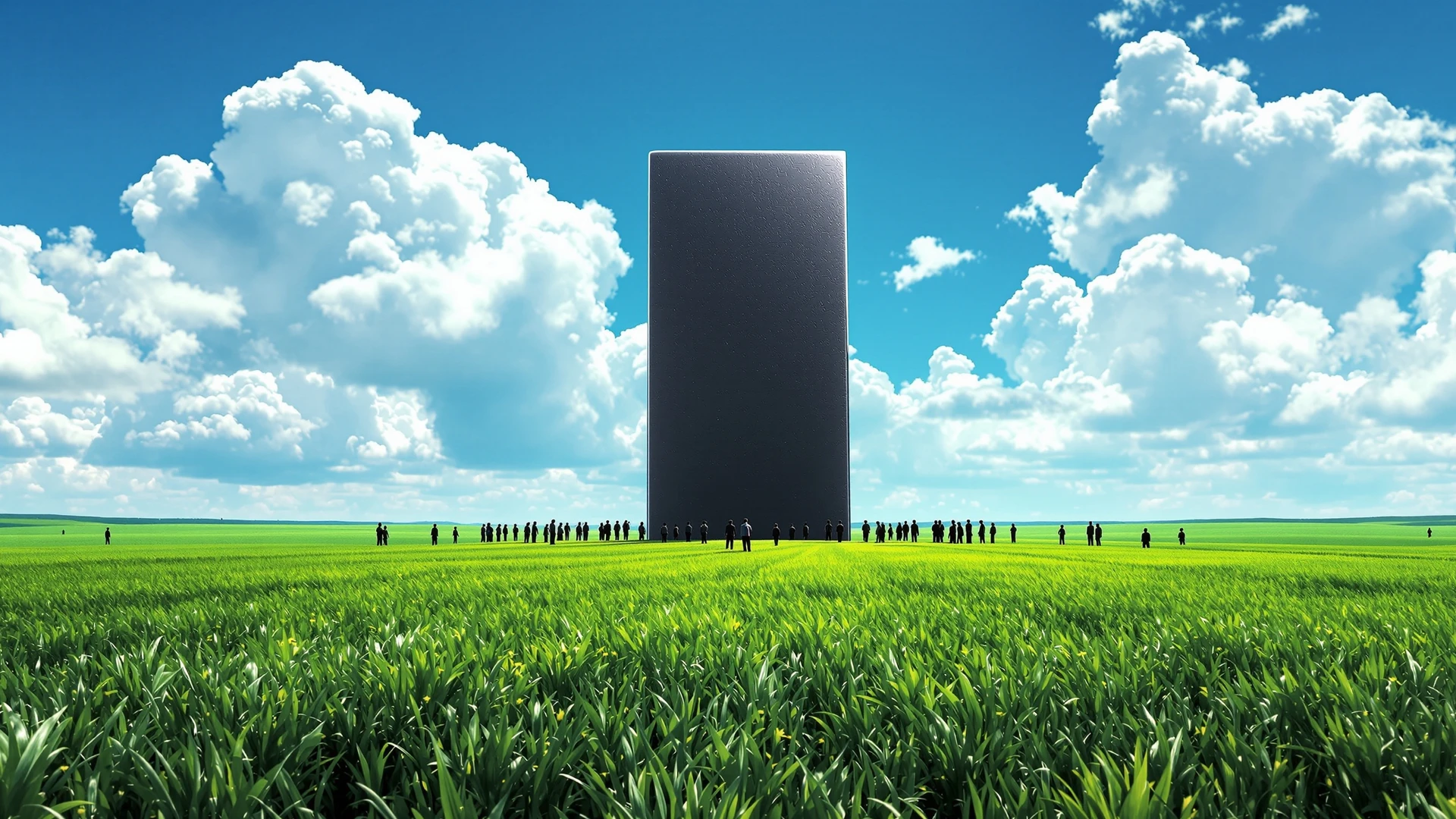
If Kubrick’s mysterious black monolith from 2001: A Space Odyssey landed today, we wouldn’t gather around it in awe of cosmic intelligence – we’d probably just assume it was the latest iPhone prototype. After all, both are sleek, rectangular slabs that demand reverence, and both captivate humans by making us stare at them for hours.
Remember when turning your phone sideways felt like the height of sophistication? Ah, those halcyon days when “landscape” was the king of formats and “portrait” was just what you hung in the hallway. Well, times have changed. In today’s mobile-first world, up is the new sideways, and if your video isn’t ready to paint a portrait, you may be missing out on half your audience.
Open Cambridge
Nasa Astronaut - Kayla Baron
Developmental Biology with Alice Roberts
Embrace Everest
Microsoft Research Labs
LifeArc
Royal Papworth Hospital
ParalympicsGB
Gurdon Institute
Royal Society of Chemistry
Trace Solutions
CMR Surgical
Molecular Ratchteers
The Quest for Quantum Computing
Cancer Research UK
Museum of Zoology
Internet Watch Foundation
Professor Lord Martin Rees
The Last Climbing Boy
Genomics England
Face Doctors
Fates Cambridge - Greg Nance
Versius
Cambridge Innovation Capital
The Vertical Limit
Here’s the hard truth: people are lazy. Not “won’t-walk-to-the-fridge” lazy, but “can’t-be-bothered-to-rotate-their-phone” lazy. And can you blame them? TikTok, Instagram Reels, and YouTube Shorts have trained us to think vertically. Your content may be a cinematic masterpiece, but if it demands a thumb-twisting quarter-turn, it’s already at a vertical limit—and your viewers may scroll right past.
That’s not to say landscape is dead. Far from it! Landscape remains the gold standard for widescreen storytelling – think YouTube, LinkedIn, big-screen moments. But on social platforms, portrait isn’t a compromise; it’s a necessity. The smart money is on producing both, because the internet never met a frame size it didn’t want.
At Cambridge Filmworks we understand that today’s audiences demand content that flexes to fit every screen, from giant desktop monitors down to phones balanced precariously on treadmills (don’t try that at home).
Rather than leaving you with a single “one-size-fits-all” format, we help our clients tailor content across multiple ratios:
- Landscape (16:9): Perfect for traditional platforms and presentations.
- Portrait (9:16): Made for mobile-first platforms like TikTok, Instagram Reels, and Facebook Stories.
- Square (1:1): Because sometimes compromise is chic.
By crafting assets in all these formats, they ensure your video reaches the widest audience possible – without awkward cropping, decapitated actors, or the dreaded “black bars of shame.”
Why It Matters
Adapting to different aspect ratios isn’t just about pleasing the algorithm gods (though they do like to be fed). It’s about respecting your audience’s time and attention. A vertical video commands the full screen on a smartphone, making it immersive and impossible to ignore. A horizontal video, on the other hand, still shines where context and scale matter most.
The result? Maximum reach, maximum impact, and maximum results when you see your content thriving everywhere from LinkedIn feeds to TikTok trends.
Final Cut
The moral of the story? Don’t make your viewers work harder than they have to. In today’s digital age, it pays to remember: up is the new sideways and it never hurts to paint a portrait!
Cambridge Filmworks
Cambridge Film Video Animation Content Productions
Related Work
All Work


Get In Touch
"They are a joy to work with – very professional, very skilled and also great fun to work with which comes in very handy on those long shooting days!"
Contact